REVIEW · REYKJAVIK
Reykjavík: Guided Afternoon Hiking Tour to New Volcano Site
Book on GetYourGuide →Operated by BusTravel Iceland · Bookable on GetYourGuide
Walking on Iceland’s newest lava changes your sense of scale. This is a guided outing from Reykjavík to the Reykjanes Peninsula, focused on the eruption area around Fagradalsfjall and the Geldingadalur Valley. You spend the afternoon scanning for signs of lava at Litli Hrutur, then you circle back through other volcanic terrain where lava still shapes what you see and how the land smells and sounds.
I especially like the mix of hiking and interpretation. You don’t just walk over black rock; your guide ties together what you’re seeing at the lava fields and how eruptions form, cool, and harden over time. I also like the added geothermal contrast: Seltún Hot Springs brings vivid sulfur color and steam to the start of the day, which makes the later volcanic terrain feel even more real.
One consideration: the eruption can change quickly. An update says the lava flow at Litli-Hrutur has stopped at least temporarily, so you should expect smoldering, heat shimmer, and steam rather than a guaranteed running river of lava.
In This Review
- Key Takeaways Before You Go
- Why This Reykjanes Volcano Hike Feels Like More Than Sightseeing
- Getting There: Pickup, Scenic Driving, and Route Changes
- Seltún Hot Springs at Krýsuvík: The Sulfur Color Warm-Up
- Geldingadalur Valley and the Hike Toward Litli Hrutur
- Meradalir on the Way: Learning How Lava Becomes Ground
- Gear, Rules, and Pace: What Actually Helps You Enjoy This Day
- Price and Value: Is $126 for 7 Hours Worth It?
- Who Should Book This (and Who Should Reconsider)
- Should You Book This Guided Volcano Hike from Reykjavík?
Key Takeaways Before You Go
- Litli Hrutur may be smoldering, not flowing: the most recent eruption can shift fast, but the area can still feel alive.
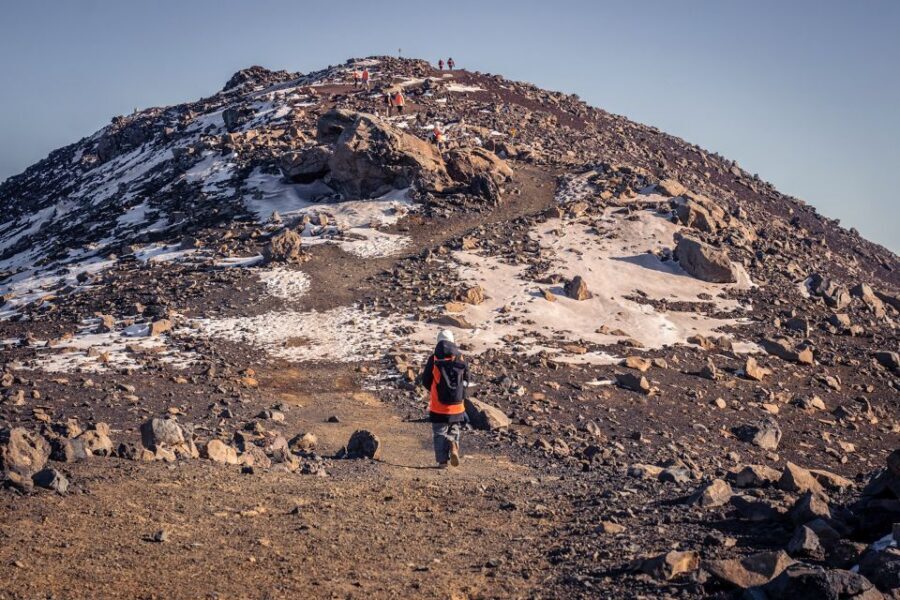
- A real workout in the lava terrain: the hike is moderate to hard, with about 2 hours each way to a viewing point.
- Seltún and Krýsuvík add color and smell: sulfur steam and mineral colors break up the black-rock theme.
- Meradalir helps you read the ground: the drive includes stops that explain how lava hardened and how older flows cover earlier surfaces.
- Bring snacks and water: there is nothing convenient to grab for food once you’re out in the peninsula area.
- Guides can make or break the day: people call out guides like Elias, Ottar, Tom, Alain, Ottar, Omar, and Dave for turning geology into stories you remember.
Why This Reykjanes Volcano Hike Feels Like More Than Sightseeing
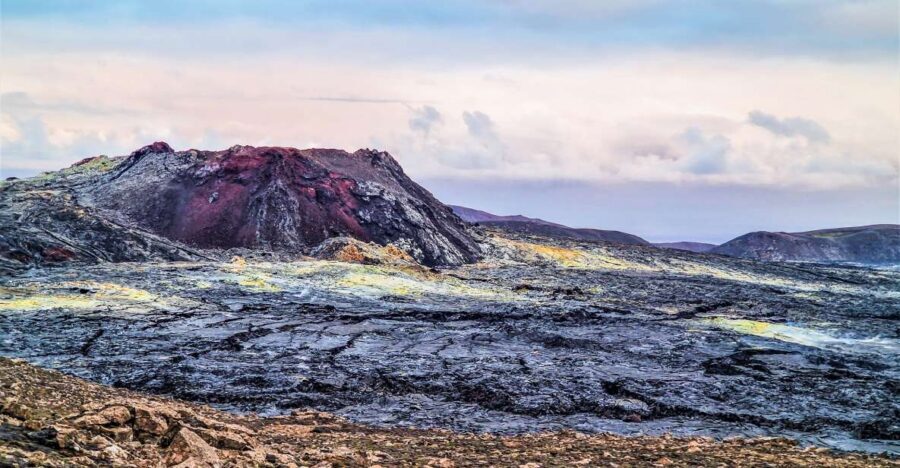
This tour is built around a simple idea: Iceland’s volcanoes are not background scenery. They are the main character. From Reykjavík, you roll out toward the Reykjanes Peninsula, where the terrain has been rewritten by eruptions over the past couple of years and earlier events.
What makes this experience stand out for me is the pacing. You get a chance to see the thermal and sulfur world at Seltún, then you move into a guided hike where the land under your boots is the lesson. Even when the eruption flow isn’t happening the way you might picture from videos, the heat, the rock shapes, and the smells still connect you to the process.
The best part is that the day doesn’t feel like a museum tour. It feels like you’re learning how lava becomes land in front of you, one viewing point at a time. And because the route can change due to live volcanic activity and closures, the guide is constantly balancing safety with access.
You can also read our reviews of more guided tours in Reykjavik
Getting There: Pickup, Scenic Driving, and Route Changes
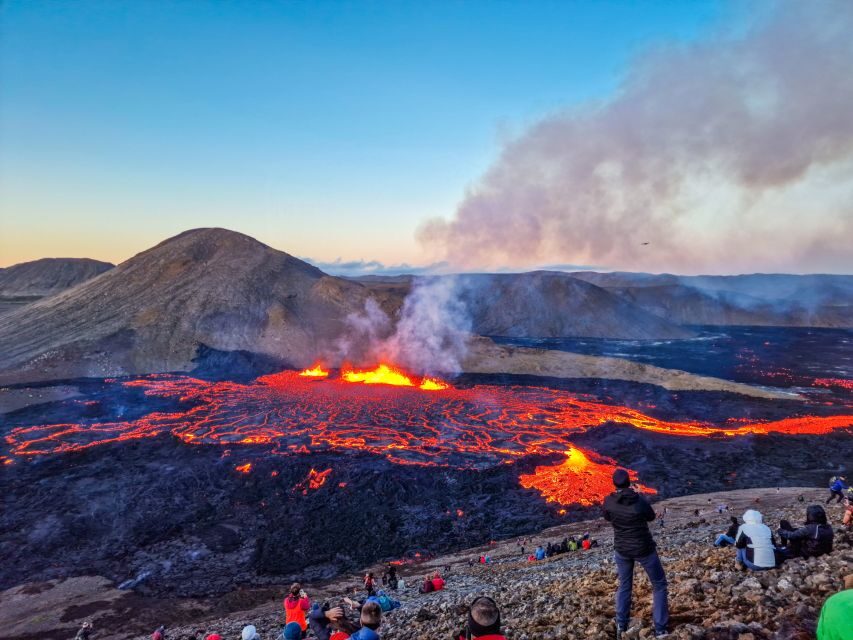
You start with pickup options around central Reykjavík, and if you’re going on your own schedule, the stated meeting point is Tour Bus Stop 12, opposite the Storm Hotel. Once you’re on board, you’ll spend a lot of the day looking out windows at the Reykjanes Peninsula as the volcanic story unfolds.
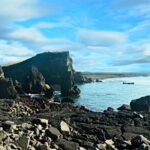
This part matters because the scenery gives you context before you start climbing. You’ll pass through areas tied to the eruption zones, and you’ll likely notice how older lava fields have had time to change, including soft green lava moss covering surfaces that look raw at first glance. That contrast is one of the quiet highlights: not just black rock, but the slow return of life.
Plan for flexibility. The route and even the tour timing can shift because it’s a live situation. One review example mentioned the hike being shortened due to wind and weather, which is a smart reminder that safety and conditions come first when you’re dealing with exposed volcanic terrain.
Seltún Hot Springs at Krýsuvík: The Sulfur Color Warm-Up
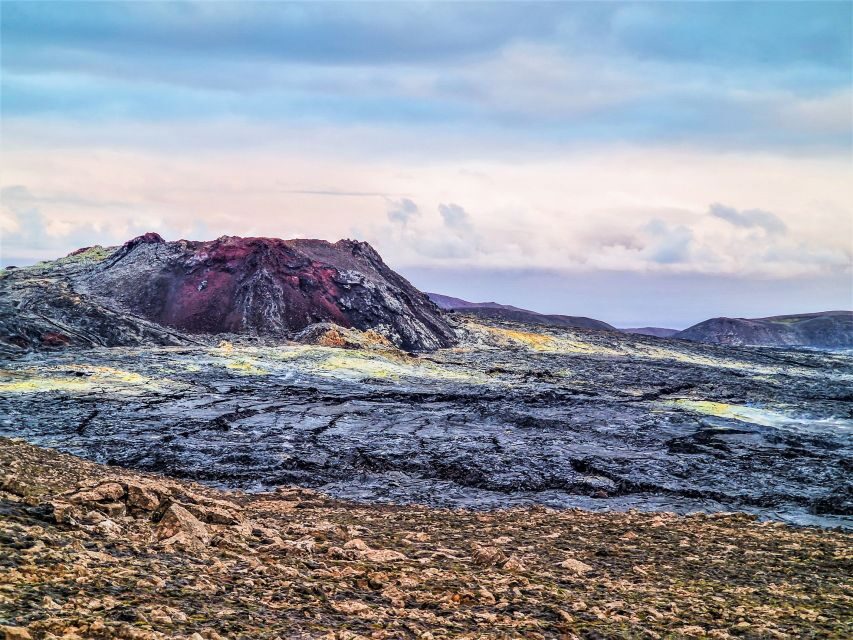
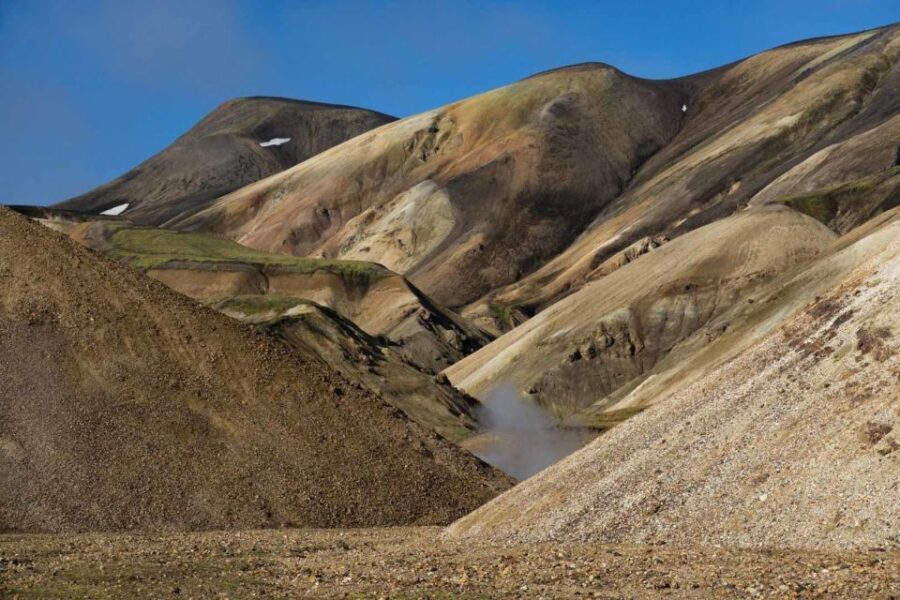
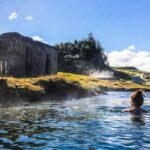
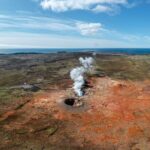
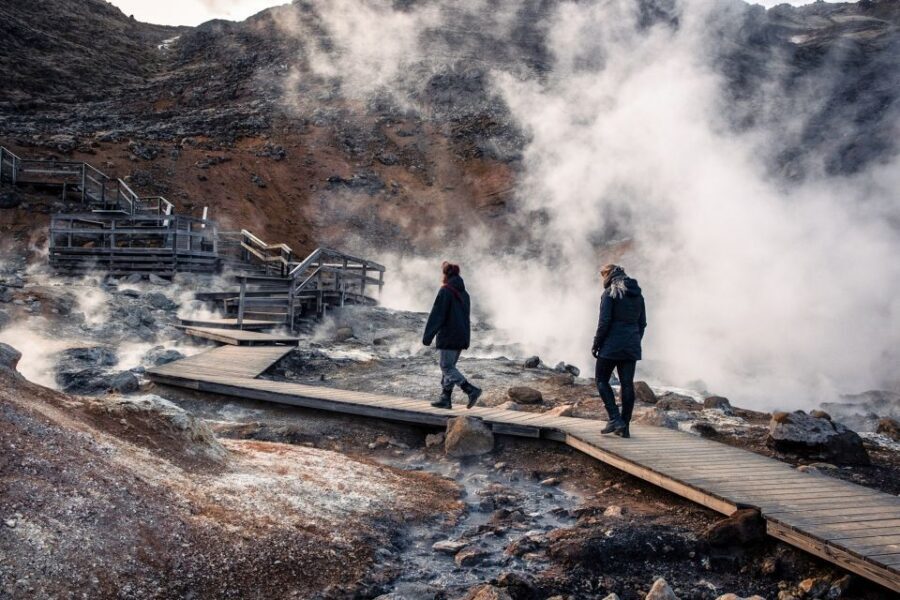
Before the main hike, you stop at Seltún Geothermal Area. Expect a photo stop and a short walk with scenic views on the way, then you get a real sense of Iceland’s geothermal side. The tour highlights specifically call out vivid colors at Seltún, and you should also be prepared for the smell of sulfur.
This geothermal stop is more than a break from driving. It primes your senses. When you later step onto lava ground in the Geldingadalur Valley, you’ll better understand what the guide is explaining about heat, rock, and how active geology shapes everything around it.
One practical tip: treat this as your warm-up, not your main meal. People stress to pack snacks because the peninsula doesn’t offer easy food stops. If you arrive hungry, the rest of the day can feel longer and harder than it needs to.
Geldingadalur Valley and the Hike Toward Litli Hrutur
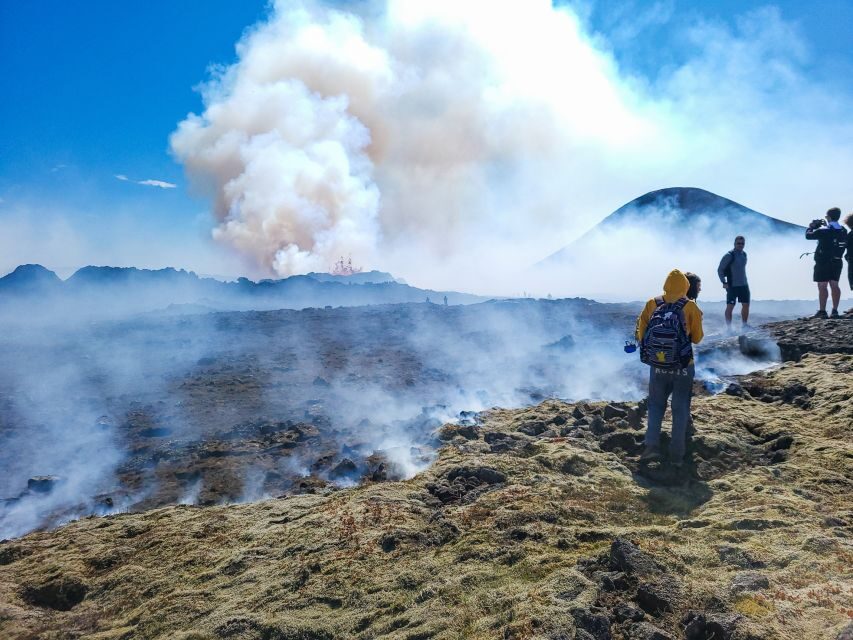
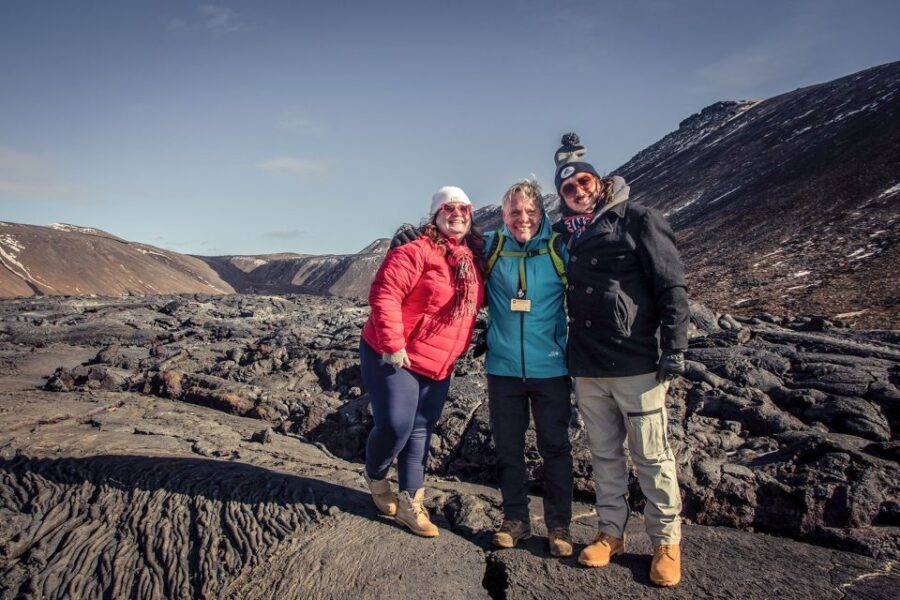
The main event is the hike in Geldingadalur Valley. The tour description says the walk to a good viewing point takes around 2 hours each way, with the hiking described as moderate to hard. In plain terms: you’re going to work a bit, and the terrain can be uneven and slippery in bad weather.
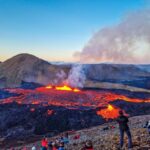
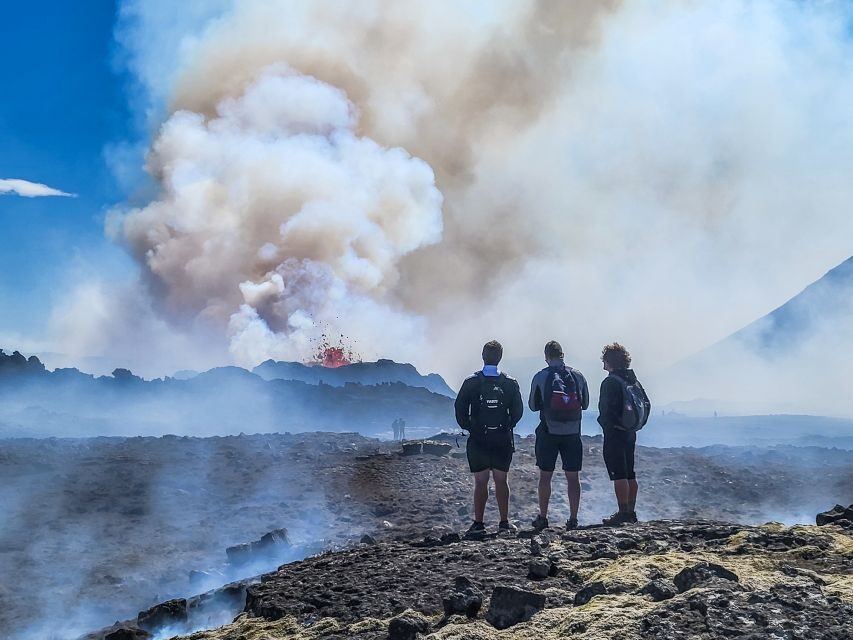
Your goal is to reach viewpoints where you can hopefully see lava flows at or near the newer eruption area linked with Litli Hrutur. The big update included with this tour is important: the lava flow has stopped at least temporarily, but the area can still be fascinating with smoldering. So your mission is to look for heat signs, steam, and the way the ground shows recent change.
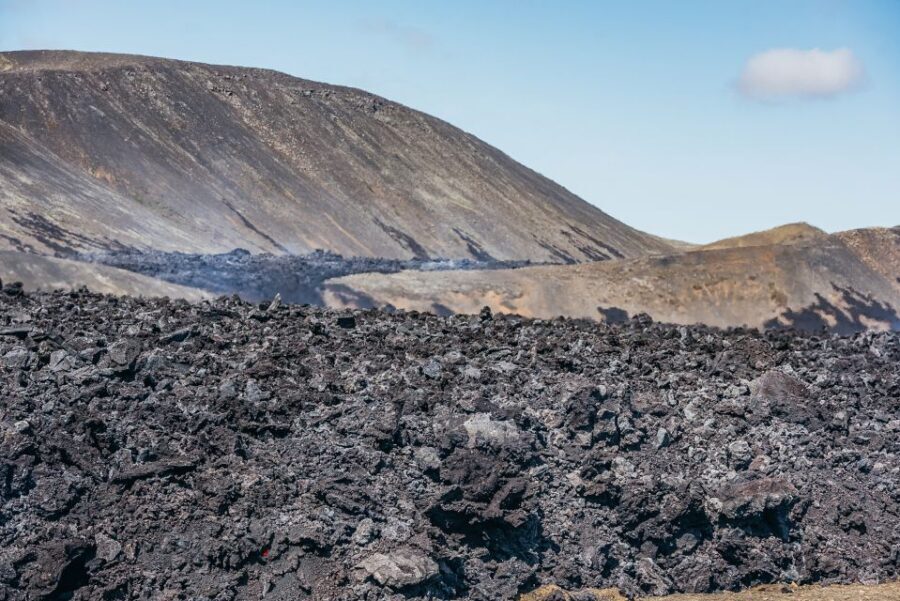
What I like about this hike is that it makes the geology physical. You’re not just looking at a crater from afar. You’re walking through terrain shaped by eruption patterns from the past two years, including older lava surfaces that look deceptively stable. It’s one of those experiences where you realize how quickly a quiet region can become a live science site.
Bring your patience for wind and weather. Reviews mention everything from snow and ice to strong gusts, and guides sometimes adjust the route for safety. If conditions are rough, you’ll still get a worthwhile day, but you might not cover every planned stretch.
Meradalir on the Way: Learning How Lava Becomes Ground
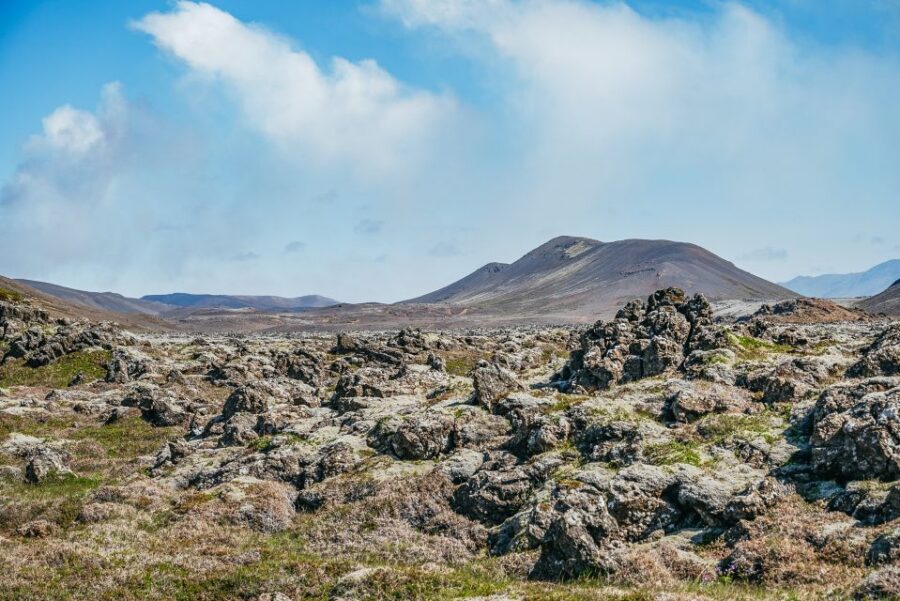
Between the geothermal color stop and the hike, you pass through other volcanic terrain, including Meradalir. The highlights call out the eruption site at Meradalir on your way, plus how lava formed and hardened in the Meradalir Valley. That’s the educational spine of the route: it connects what you’re seeing today to the physical timeline of eruption to solid rock.
Even if your hike focuses on one viewing area, the Meradalir stop helps you zoom out. You start noticing patterns: where the lava cooled into solid surfaces, how different textures create different-looking ridges and basins, and how heat effects differ across zones. It’s the kind of visual “aha” that makes later explanations click.
There’s also an emotional effect here. A drive through active or recently affected zones can feel eerie because the land looks both powerful and fragile. If your day includes passing by areas like Grindavík, some guides frame the human story alongside the geology, which changes how you interpret the whole peninsula.
You can also read our reviews of more hiking tours in Reykjavik
Gear, Rules, and Pace: What Actually Helps You Enjoy This Day
This tour is outdoors, and it stays outdoors. The basic list matters: comfortable shoes, warm clothing, a hat, gloves, rain gear, water, and snacks. You’re also told to bring a packed lunch, which is the best move for a long day when food options are limited.
The footwear rules are not just formalities. Jeans and sports shoes are listed as not allowed, and you’ll be happier if your hiking shoes grip well. Reviews mention slippery conditions on the approach and tricky footing on lava and ice. If you show up in soft soles, you’ll feel it fast.
You’ll also appreciate the included headlamp. Evening lighting and the timing of return can matter when you’re on the road for a long day. Even if it’s not dark when you start, it’s nice to have light in your bag.
As for effort level, treat this as a serious hike day, not a gentle stroll. People describe the walk as challenging at times, and at least one review calls out that those with serious health issues might struggle. If breathing issues are a concern, plan conservatively and consider your limits before choosing a moderate-to-hard route.
Price and Value: Is $126 for 7 Hours Worth It?
At $126 per person for a 7-hour guided experience, the value comes from three buckets: transportation, interpretation, and access to specific volcanic areas that you’re unlikely to line up on your own without planning and flexibility.
You’re paying for a guided day that includes entry fees and a headlamp, plus the expertise to point you toward what’s meaningful. In a volcano region, not everything you see is equally important. A good guide helps you connect the dots fast: where to look for heat signatures, how to read hardened lava, and why the land changes look different at different eruption phases.
You’re also paying for time on the clock. This is not “drive by and snap a photo.” The hike is long enough to feel physical, and the day includes multiple geology-related stops so you get a bigger story than one viewing point.
The biggest hidden cost is what you bring for yourself. Food and drinks aren’t included, and snacks are strongly advised. If you pack well, the price feels easier to justify because you’ll stay focused instead of hungry.
Who Should Book This (and Who Should Reconsider)
This tour fits best if you want real terrain time and you like learning while you move. If your idea of a good day in Iceland includes both geothermal oddities and walking over eruption-shaped ground, you’ll probably enjoy it.
It also fits well if you want a guided explanation without needing a geology degree. Guides highlighted in the provided info include Elias, Ottar, Tom, Alain, Omar, Dave, and others, and the common thread is turning volcanic processes into a story you can picture. Some guides also bring humor and music, which helps when you’re standing in wind and steam.
I’d reconsider if you’re dealing with mobility impairments. The tour data says it’s not suitable for people with mobility impairments, and the hike is moderate to hard. I’d also be cautious if you have serious health issues, since exposed conditions, effort, and weather shifts can make the day tougher than the word moderate suggests.
Finally, manage expectations about fresh lava. The update says the flow has stopped at least temporarily. You can still get a fascinating visit, but this is not a guarantee of constant glowing magma at the public viewpoint.
Should You Book This Guided Volcano Hike from Reykjavík?
Book it if you want a guided, science-focused volcano afternoon that includes both Seltún’s geothermal color and a real hike into Geldingadalur Valley. The best part is that the day teaches you how lava becomes land, not just that volcanoes exist.
Don’t book it if you want easy walking, need full accessibility, or you’re expecting a guaranteed show of flowing lava. If you go, go prepared for wind, slippery ground, and route changes.
If you’re flexible, pack snacks, dress for cold and wet, and bring solid hiking shoes, this is one of the more rewarding ways to experience the Reykjanes Peninsula up close.