REVIEW · REYKJAVIK
Reykjavik: 45-Minute Volcano Sightseeing Helicopter Tour
Book on GetYourGuide →Operated by Atlantsflug / Flightseeing · Bookable on GetYourGuide
Helicopter volcano spotting is a fast hit of awe. This 45-minute flight from Reykjavik Airport takes you over the Reykjanes Peninsula for bird’s-eye views of Iceland’s newest lava areas, including Sundhnúkahraun from March 2024. I like that you get strong views from the air for everyone onboard, and I like how the pilots use the route to explain what you’re seeing across different eruption sites. The one big catch: flights are weather dependent, and there’s no promise of visible flowing lava during your window.
If you’re tight on time in Iceland, this is one of the most direct ways to see several chapters of the Reykjanes story without waiting around on the ground. You’ll also get a quick look toward Bessastaðir (the president’s home) if conditions and angles cooperate—one more reason this tour feels like more than just a fly-over. I’d plan to show up early at the base, because the meeting-area setup can be a little quiet when you first arrive.
In This Review
- Key highlights you’ll care about
- Why this 45-minute helicopter works on the Reykjanes Peninsula
- Getting to the base: Reykjavik FBO near the city center
- The route and stops: Reykjavik, the lava fields, and a possible Bessastaðir view
- Starting point: FBO check-in and pilot briefing
- Stop over Reykjavik: quick city views
- The main event: Reykjanes Peninsula volcano spotting (30 minutes)
- Bessastaðir (about 5 minutes): a president-home view chance
- Back to Reykjavik: closing the loop
- The volcanic story you’ll actually understand from above
- Comfort, safety, and getting the best views as a small group
- Price and value: $624 for 45 minutes, and why it still makes sense
- When you should book this helicopter tour (and when to think twice)
- Should you book it?
- FAQ
- How long is the Reykjavik volcano helicopter tour?
- Where does the tour start and end?
- How many people are in the group?
- Is the tour offered in English?
- Is visible lava guaranteed?
- What’s the cancellation and payment flexibility?
Key highlights you’ll care about
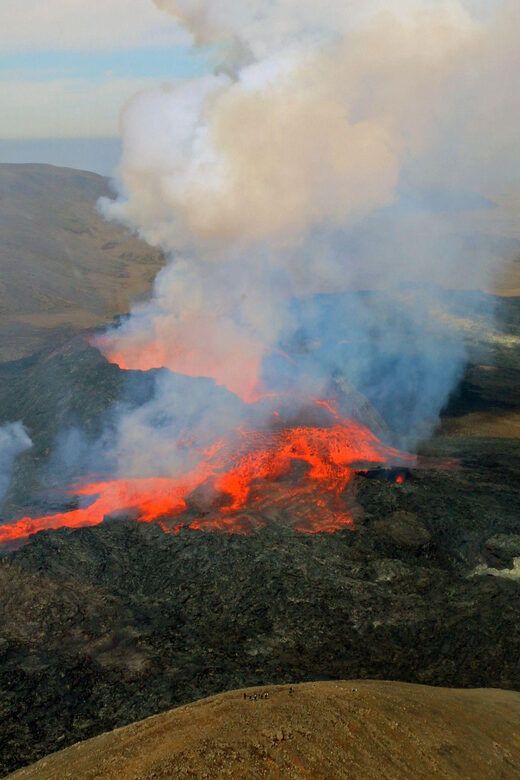
- 45 minutes in the air over the Reykjanes Peninsula, designed for maximum viewing time
- Sundhnúkahraun (March 2024) plus older eruption areas around Fagradalsfjall/Geldingadalir (2021–2022)
- Small group (max 5 participants) with views that work for everyone onboard
- Pilot-led spotting and explanations, including where to look for features from above
- Bessastaðir sighting chance on the way back to Reykjavik, weather and angles permitting
Why this 45-minute helicopter works on the Reykjanes Peninsula
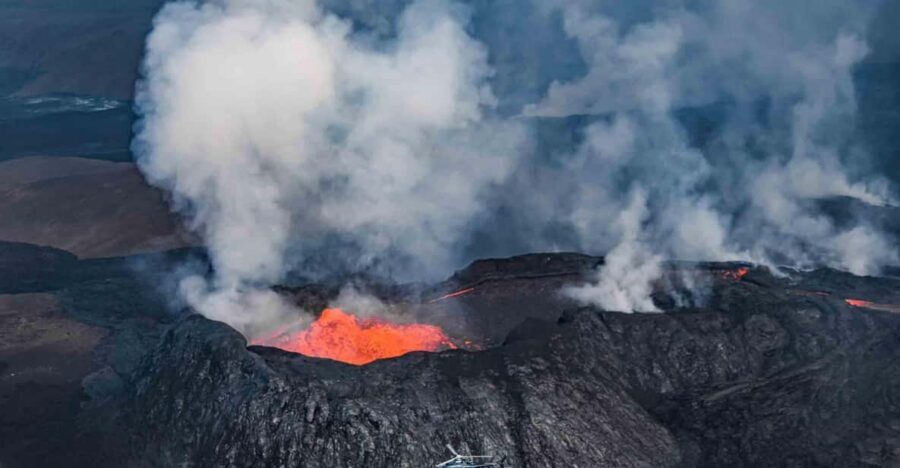
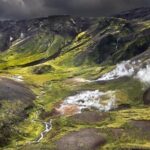
On Iceland’s Reykjanes Peninsula, volcanoes don’t just sit in the background. They reshape the ground in a way you can’t fully grasp from one viewpoint, especially when you want to connect eruptions across different years. From a helicopter, you get an aerial “map” feeling fast: new lava fields, older hardened flows, and crater shapes all show up at once.
This tour is also built for time pressure. Forty-five minutes sounds short until you realize the flight is focused where it counts: takeoff from Reykjavik, a long viewing block over the peninsula, then a quick return loop. That structure helps you get a clear hit of volcanic scenery without burning half a day on transfers and extended drives.
You can also read our reviews of more tours and experiences in Reykjavik
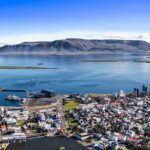
Getting to the base: Reykjavik FBO near the city center
You meet at the Reykjavik FBO building marked with the Atlantsflug / Flightseeing sign. It’s right next to the Berjaya Hotel, and the airport area is only about five minutes from the city center, which is a real advantage if you want to keep your day flexible.
Here’s the practical mindset I’d use: treat this as an airport-style experience, not a stroll-up sightseeing stop. Arrive early enough that you’re not stressed finding the entrance or waiting for staff. On one occasion, the FBO door reportedly stayed locked for a while until reception came back, so don’t count on immediate access the second you arrive. If you get there and it’s quiet, hang back and keep checking—staff are part of the process.
Also note the tour language: English, and you’ll get a route briefing from the pilot before takeoff. That matters because once you’re in the air, you’ll see a lot at once. A quick spoken guide helps you identify what you’re looking at rather than just admiring it.
The route and stops: Reykjavik, the lava fields, and a possible Bessastaðir view
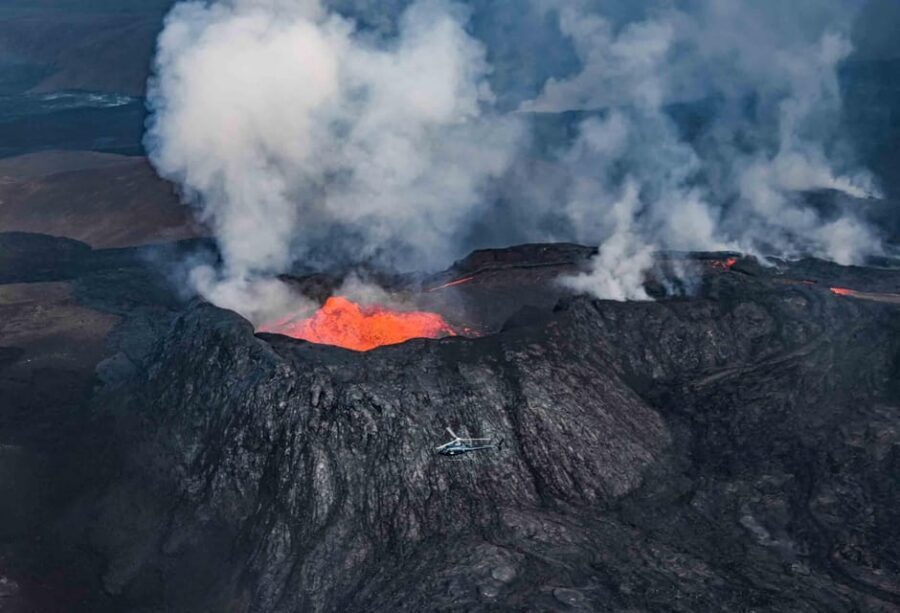
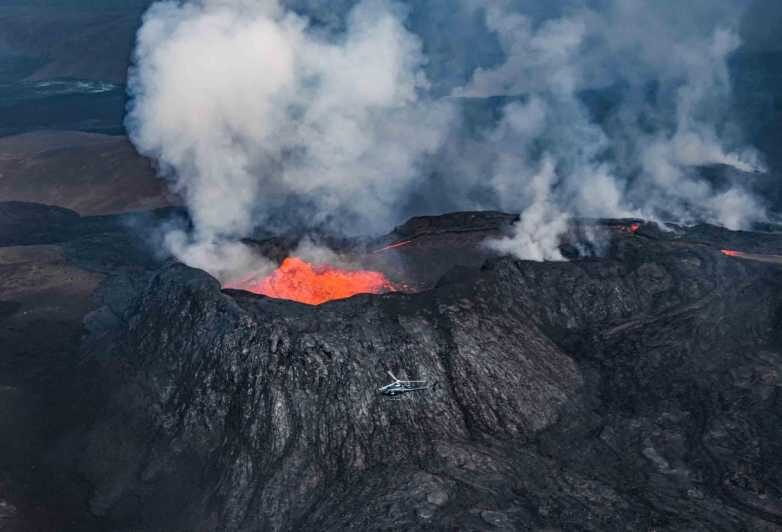
This flight follows a tight loop. Think of it as one guided survey of the peninsula: city airspace for a moment, deep emphasis on the volcanic zone, then a scenic return that sometimes includes a famous landmark.
Starting point: FBO check-in and pilot briefing
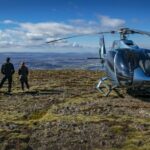
Your tour begins at the Reykjavik base with friendly airport staff and the pilot. You’ll get a short briefing about the route before the helicopter heads out onto the tarmac. That little step makes a big difference on a short tour. You’re not just along for the ride—you know what areas you’ll be looking at next.
Practical tip: listen to the pilot’s route cues, because the return portion includes a possible sightseeing moment toward Bessastaðir. If they mention angles or where to look, pay attention. From the air, a landmark can appear and vanish quickly.
Stop over Reykjavik: quick city views
There’s a short capital-region sightseeing segment of about five minutes. This is a nice palate cleanser after you’ve been on the ground. It helps you spot the coastline and the shape of the city before you head toward the volcanic zone.
On a practical level, this initial segment is also a buffer for the schedule. It gives the flight a structured start while you transition from urban views to the larger, darker patterns of lava fields.
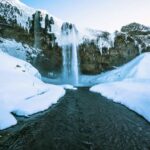

The main event: Reykjanes Peninsula volcano spotting (30 minutes)
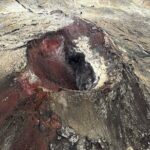
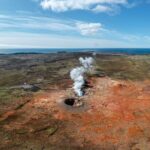
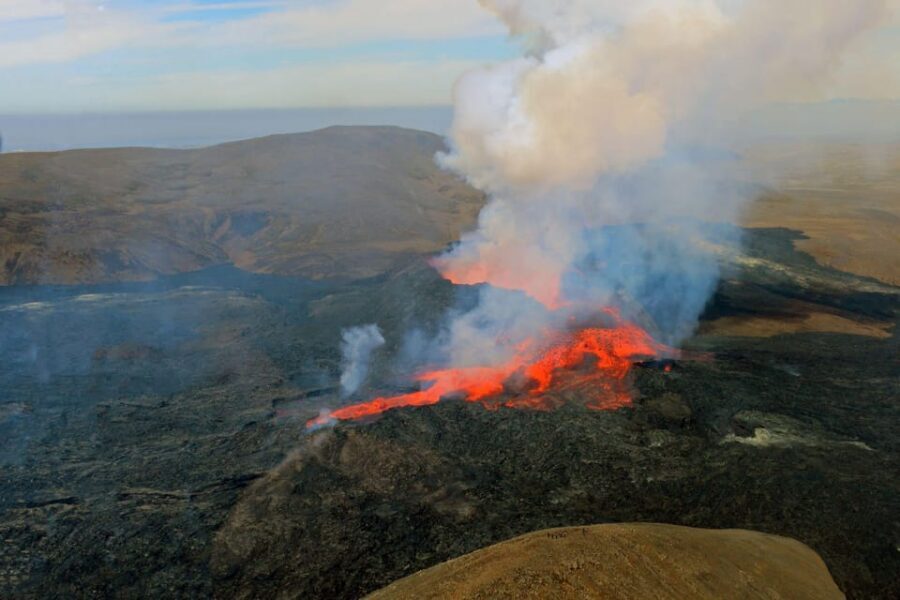
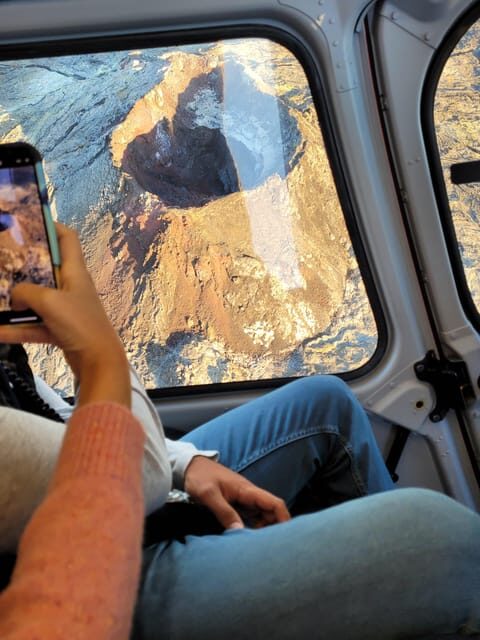
This is the heart of the experience: around 30 minutes over the Reykjanes Peninsula. First, you’ll pass over older lava fields that date back hundreds of years. Then your pilot leads you toward the newest eruption area to look for the most current surface activity.
The centerpiece is the most recent eruption site in Iceland: Sundhnúkahraun from March 2024. The flight plan includes circling and spending time looking at the lava field itself. You’ll also get a guided story of the volcanic history here, including the massive craters formed during the Fagradalsfjall/Geldingadalir eruptions in 2021 and 2022.
What you should watch for from the air:
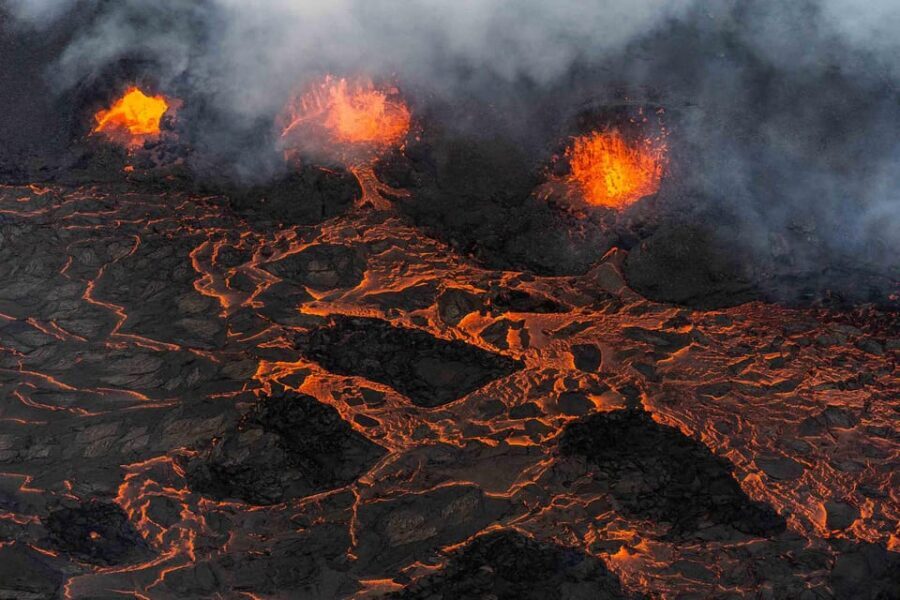
- Patterns and textures of lava: hardened surfaces often look darker and smoother in blocks, while newer areas can appear brighter or more fractured.
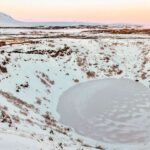
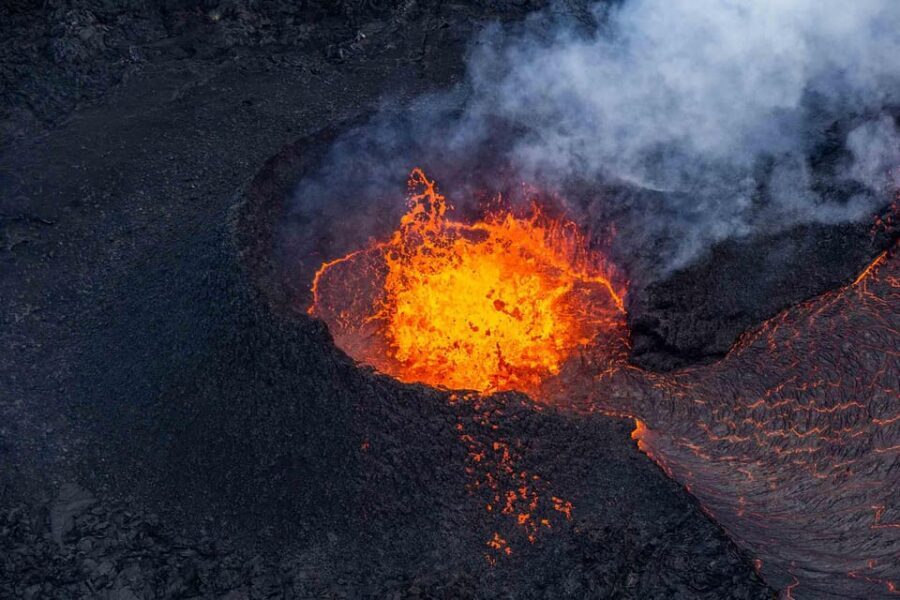
- Crater shapes and breakouts: from above, you can sometimes pick out the outlines of where the ground changed first.
- Changes over time: the pilot’s narration helps you connect what you see now with what happened in earlier eruptions.
Now, the important reality check. Eruptions are natural events and may not be actively flowing during your visit. Even with perfect visibility, there’s no guarantee of visible lava. If you do spot flowing lava, it’s the kind of moment you’ll remember for years. If you don’t, you’ll still come away with a clear picture of how this peninsula builds and rebuilds itself.
Bessastaðir (about 5 minutes): a president-home view chance
On the return leg, there’s a short Bessastadir sightseeing moment. You might be able to see Bessastaðir, the president’s home, if you know where to look and if the flight angles line up. This isn’t a long stop, so treat it as bonus viewing rather than the main reason you booked.
Back to Reykjavik: closing the loop
Finally, you fly back for about five minutes of Reykjavik sightseeing and then land back at your base. This last segment is usually where you start processing what you’ve just seen. From the air, lava fields and crater zones can look like strange geometry—then, when you return toward the city, everything snaps back into perspective.
The volcanic story you’ll actually understand from above
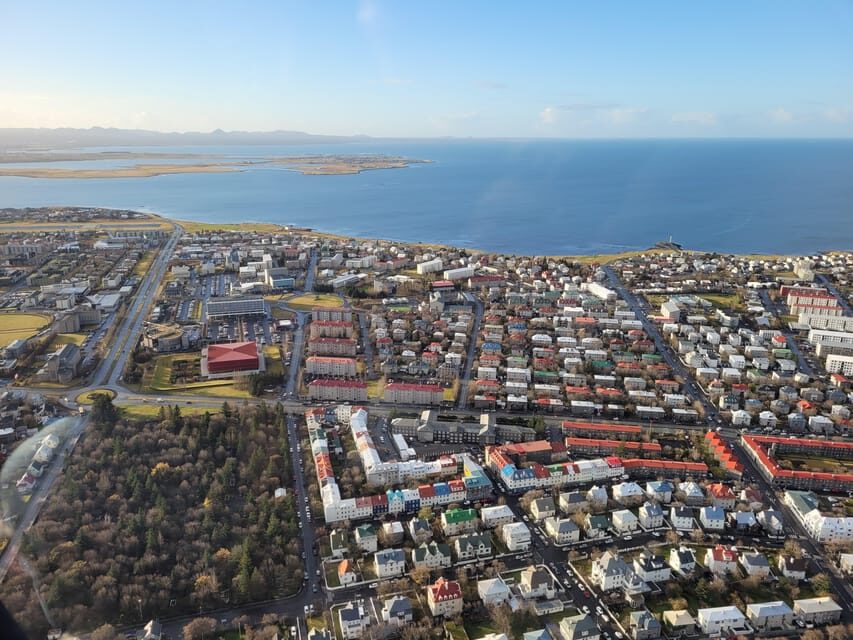
The Reykjanes Peninsula is a place where the ground tells time. You can see it better in a helicopter because the view is wide and the features have relative scale. Instead of hearing about eruptions as separate events, you experience them as layers of change across an area.
The tour’s narration is built around that logic. You’ll move from older lava fields to the more recent activity tied to the Fagradalsfjall/Geldingadalir eruptions (2021–2022), then to Sundhnúkahraun (March 2024). That sequence matters. It turns a list of dates into something you can point to in the sky.
Why this is valuable:
- You get a spatial timeline, not just a verbal one.
- Craters and eruption zones are easier to interpret when you can compare multiple areas quickly.
- You learn what to look for during the flight, so you’re not stuck wondering what feature is what.
And yes, the pilot can help you spot details you’d miss from the ground. When the guide talks you through what you’re seeing, it changes the whole flight from scenery to understanding.
Comfort, safety, and getting the best views as a small group
This experience is designed as a small group, limited to five participants. That isn’t just a comfort perk—it changes the experience quality. In a larger group, you can get squeezed into awkward sightlines. Here, you’re more likely to get clear angles for looking down and framing photos.
The pilots are also part of the value. You’ll get guidance throughout, and the route includes multiple approaches to the active volcano area so you can see it from different angles. That matters for photos too. Lava fields and crater edges look different as the helicopter shifts position.
One more comfort point: since the flight is only 45 minutes, the helicopter time is focused and efficient. You’re not stuck in the air for hours waiting for the right moment. You get takeoff, the viewing block, and the return.
Price and value: $624 for 45 minutes, and why it still makes sense
Let’s talk money plainly. At $624 per person for a 45-minute flight, this is not a budget activity. Helicopters cost a lot to operate, and you’re paying for:
- the ability to fly directly over active and newly active volcanic ground,
- expert pilot spotting and route choice,
- and a small-group format that aims for good viewing for everyone.
Where this price can feel like good value is when you compare it to the alternative: spending extra time driving and walking to multiple viewpoints that may or may not give you a clear view of newer eruption areas. This tour is short but concentrated. You buy clarity and access rather than long hours of guessing.
Also, the price includes all taxes and airport fees. That reduces the annoying surprise-factor that some high-end experiences include later.
If you’re the type of traveler who likes a “high impact” day—one where you see the key sights fast—this can be worth it. If you’re hoping for a long, leisurely adventure, you might find the 45-minute time window a bit brief. But the structure is intentional: it’s designed to deliver the volcanic story efficiently.
When you should book this helicopter tour (and when to think twice)
This tour is a great match if:
- You want a focused volcano experience without committing your whole day.
- You like guided storytelling from someone piloting the route.
- You want aerial views that are hard to replicate from the ground.
- Your group size stays small and you prefer intimate sightseeing.
It’s less ideal if:
- You need guaranteed visible lava. Flights can’t promise eruption activity, and the whole operation is weather dependent.
- You’re arriving without buffer time. You’ll want a calm approach to the FBO meeting point and readiness for scheduling changes.
One more practical note: it’s not suitable for children under 2 years. If you’re traveling with toddlers, plan other Iceland experiences that fit the age range.
Should you book it?
Yes, if your priority is seeing Sundhnúkahraun and connecting it to older eruption areas like Fagradalsfjall/Geldingadalir from above. Even when flowing lava isn’t visible, the aerial view of the lava fields and crater zones can still feel like a clear, high-contrast lesson in how Iceland’s volcanism evolves.
Think twice if your whole goal is guaranteed glowing lava in real time. With helicopter flights, the sky and the volcano have their own plans. But if you’re open to weather realities and you want the best odds of understanding the Reykjanes Peninsula in one short, guided flight, this tour is a strong choice.
FAQ
How long is the Reykjavik volcano helicopter tour?
The tour duration is 45 minutes.
Where does the tour start and end?
You meet at the Reykjavik FBO building marked with the Atlantsflug / Flightseeing sign, next to Berjaya Hotel, and the tour ends back at the same meeting point.
How many people are in the group?
The group is limited to 5 participants.
Is the tour offered in English?
Yes, the live tour guide experience is in English.
Is visible lava guaranteed?
No. The flights are weather dependent, and eruption activity may or may not be visible during your visit, so there is no guarantee of flowing lava.
What’s the cancellation and payment flexibility?
You can cancel up to 24 hours in advance for a full refund, and there’s a reserve now & pay later option available.