REVIEW · REYKJAVIK
13-Day Iceland Geology Adventure Guided Tour from Reykjavík
Book on Viator →Operated by Iceland Geology Tours- Adventure Geology Tours · Bookable on Viator
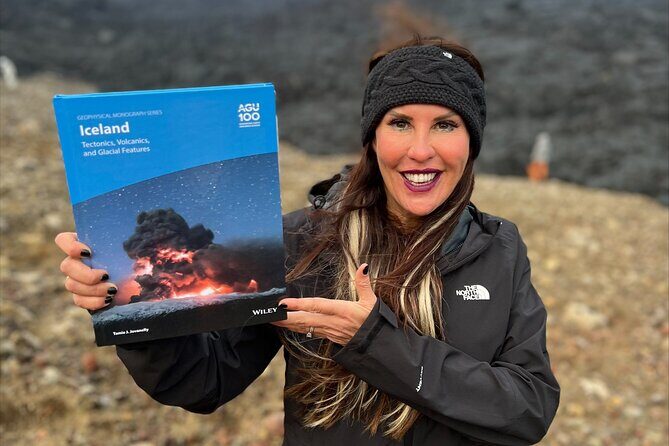
Iceland’s geology is never just textbook material. This 13-day guided adventure is built around real field signs: grabens, scoria craters, lava tubes, icebergs, geothermal systems, and the way plates keep pulling Iceland apart. It’s led by Dr. Jovanelly and her husband Joe Cook (Joey), both long-time researchers and trip leaders, using their published field guide as the backbone for what you see.
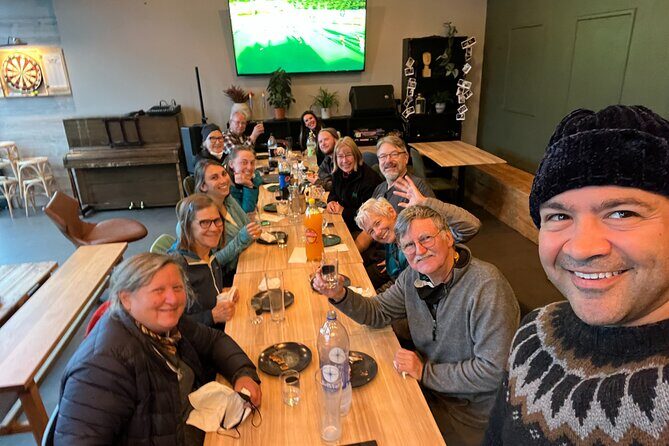
Two things I really like about this tour are the small-group size (max 16) and the active rhythm—short hikes, hands-on museum stops, and frequent chances to stand right on the evidence. I also like that you don’t need a geology background; Dr. Jo is used to teaching newcomers without watering anything down. One consideration: it’s still a very full itinerary, and most days are weather-dependent in Iceland, so pack for cold, wind, and sudden changes.
In This Review
- Key Highlights That Make This Tour Different
- Why Dr. Jo Makes Iceland Geology Click
- Reykjavík Arrival: Get Your Bearings Fast
- Blue Lagoon and the Geothermal Story You’ll Actually Understand
- The Volcanic Iceland Days: From Lava Centers to Hekla’s Shadow
- Þingvellir, Gullfoss, and Geysir: Where Tectonics Meets Real Life
- Glacier Walk at Skaftafell: When Ice Becomes a Field Site
- South Coast Ice: Fjallsárlón, Diamond Beach, and Jökulsárlón
- Dettifoss: Columnar Basalt Worth the Effort
- Northern Craters and Lava Fields: Hverfjall to Dimmuborgir
- Akureyri Free Day: Let the Trip Breathe
- Water Museum in Stykkishólmur: Glaciers Past and Present
- Snæfellsnes, Vatnshellir, and Snæfellsjökull: Lava Tubes to Stratovolcano Views
- Reykjavík Again: Final Walk Before Departure
- Price and Value: What Your Money Is Actually Buying
- Who Should Book This, and Who Might Prefer Another Style
- Should You Book This 13-Day Iceland Geology Tour?
- FAQ
- Do I need a geology background to join?
- How big is the group?
- Where does the tour start, and what time does it begin?
- Are any admissions or activities included in the price?
- What happens if poor weather cancels the tour?
- Is a service animal allowed?
Key Highlights That Make This Tour Different
- Dr. Jovanelly’s field-guide approach: lectures connect directly to the ground you’re standing on.
- Small group energy (max 16): easier conversations, quicker questions, more time at key viewpoints.
- Active geology stops, not just drive-by photos: glacier-top walking, lava tube exploring, crater fields.
- Excursion fees included in the price, so you’re not constantly recalculating add-ons.
- A team of guides with real research depth, led by Dr. Jo plus Joey Cook for a fun, “field with friends” feel.
Why Dr. Jo Makes Iceland Geology Click
This tour is basically built on one smart idea: Iceland is a giant, readable natural lab. Dr. Jovanelly wrote a geology book on Iceland’s tectonics, volcanics, and glacial features, and she uses that knowledge like a field guide, not a lecture script. The result is that you start noticing patterns—where earthquakes happen in plate boundaries, why certain rocks form near volcanoes, and how glaciers shape valleys and coasts.
I also like how the tone stays welcoming. The tour explicitly says you don’t need geology training, and from what you’ll experience, the explanations are made to match what you can actually see in the moment. If you’re curious, you’ll have plenty to chew on; if you’re new, you’ll still feel like you’re learning something real each day.
The main drawback of this style is pacing: you won’t have long, lazy sightseeing blocks. You’re out there to observe, ask, and move.
You can also read our reviews of more guided tours in Reykjavik
Reykjavík Arrival: Get Your Bearings Fast
Day 1 is a low-stress start: you explore Reykjavík with the group, then meet up for a dinner together. That first day matters more than it sounds. Reykjavík is small, walkable, and full of small clues about Iceland’s modern life, so getting your bearings early makes the rest of the trip feel less like a blur.
Practically, your start time is 7:00 am, and the meeting point is Gistiheimilið, SunnaÞórsgata 26, Reykjavík. Going into Day 2 rested helps, because Iceland’s best geology days come with early departures and lots of outdoor time.
Blue Lagoon and the Geothermal Story You’ll Actually Understand
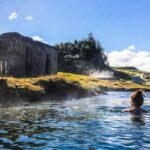
On Day 2, you get a decompression block with the Blue Lagoon. The tour builds in an afternoon window so you can settle after travel. It’s a good move, because the rest of the schedule turns from “soft landing” to “field mode.”
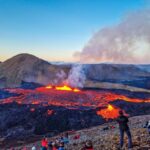
Then you go volcanic-adjacent almost immediately with Fagradalsfjall, described as recent volcanic activity. Even with a short stop, it’s the kind of site where the guide’s explanation can change what you think you’re looking at. You’ll connect volcanic landforms with the bigger plate story the tour keeps returning to.
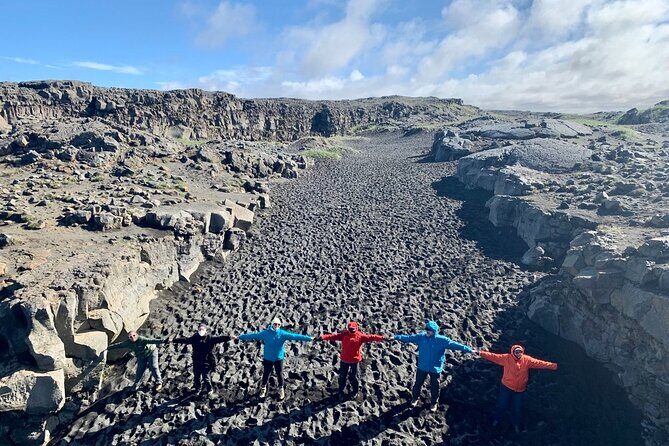
Day 3 leans hard into geothermal power and plate boundaries. You visit the Hellisheidi Power Plant to learn about geothermal energy and carbon capture projects—useful because it shows how Iceland translates geoscience into real infrastructure. Then you stop at the Bridge Between Continents, a visual separation between the North American and Eurasian plates. If you’ve ever struggled to picture plate boundaries, this is the day that helps it click.
The Volcanic Iceland Days: From Lava Centers to Hekla’s Shadow
This itinerary doesn’t treat volcanoes as one “big wow” moment. Instead, it strings together multiple kinds of volcanic evidence so you see the full range of Iceland’s fire.
Day 5 starts at the Lava Centre, an interactive museum that helps you connect rock types, eruption styles, and volcanic processes to what you’ll see outdoors later. Right after that, you visit Volcano Hekla, an active volcano in recent time. Even if you’re not a specialist, guides can make the difference between “a mountain with a story” and “a system with patterns.”
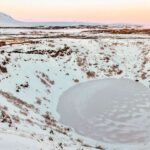
Day 9 continues that theme with crater and lava terrain around the north. Hverfjall is an explosion crater, and Skútustaðagígar are pseudo craters—places where water and lava history can create surprising landforms. You’re not just collecting sights; you’re learning how Iceland’s heat interacts with water and ground.
Þingvellir, Gullfoss, and Geysir: Where Tectonics Meets Real Life
Day 4 is a strong trio. Þingvellir National Park is the tectonic centerpiece: you learn about plates spreading apart and how that shaped Viking settlements. That connection between geology and people is what makes Iceland feel bigger than rocks. It’s also one of the better places for getting a concrete understanding of what a boundary does.
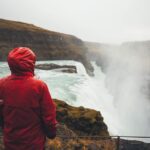
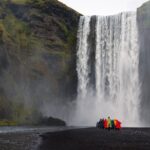
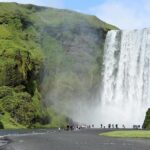
Then you go to Gullfoss Falls, a major waterfall that shows how water power sculpts Iceland’s surface. It’s a nice reset after tectonics, and it keeps your brain from getting stuck in one topic.
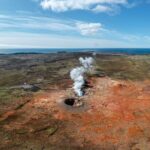
Finally, Geysir brings the geothermal story home. You experience the heat from boiling hot spots, which makes earlier geothermal stops feel less theoretical. You’ll likely find that the guide’s explanations help you notice how geyser behavior fits into a larger underground heat system.

Glacier Walk at Skaftafell: When Ice Becomes a Field Site
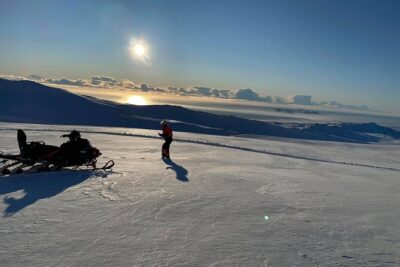
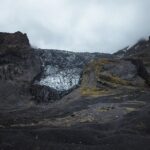
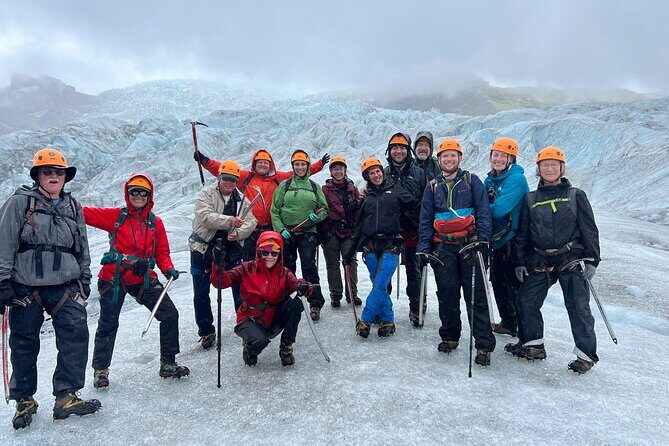
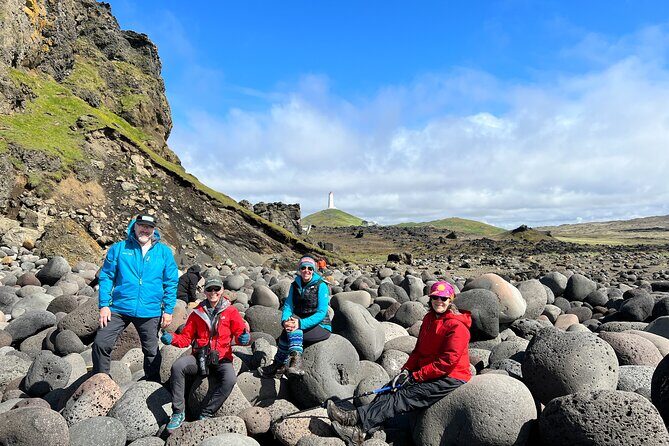
If you only do one “active” thing on this trip, make it the glacier-top walk in Skaftafell National Park. The tour describes a guided hike that’s about 3 hours, and it’s not framed as a casual stroll. You’ll be walking on top of glacial ice, which gives you a direct sense of scale and motion.
This is where you can feel the tour’s philosophy: Iceland’s ice is not scenery. It’s a moving force that shapes rock exposure, valleys, and coastlines. The guide’s field framing helps you “read” what you’re seeing.
After the hike, there’s a wine and cheese reception. It’s a small touch, but it’s a smart one. Long, cold days on the ice can drain morale, and getting a warm social moment right after helps the group stay upbeat.
South Coast Ice: Fjallsárlón, Diamond Beach, and Jökulsárlón
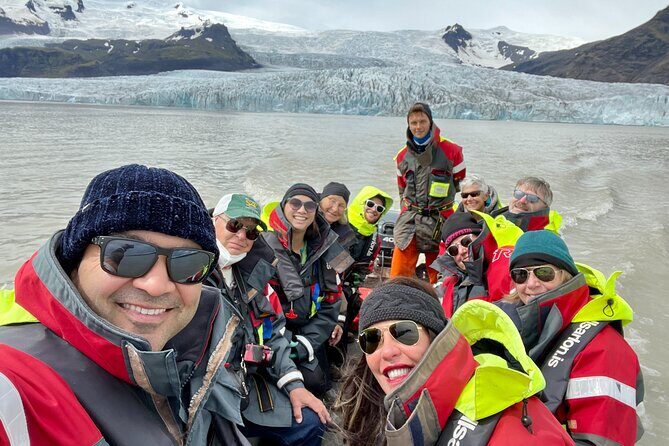
Day 7 is built around ice and how it travels. Fjallsárlón Iceberg Lagoon gives you a water-level view of glacier material. Then you head to Diamond Beach, where icebergs collect near shore. It’s one of those places where the guide’s geology context turns “pretty ice” into a story about calving, transport, and deposition.
Next up is Jökulsárlón, with stunning icebergs, seal viewing, and options that work well for birders. The tour notes that there are food vendors, so you can grab something like a hot dog and keep moving. That matters on long ice days, because it prevents “waiting hunger” from becoming a mood killer.
If the weather shifts, ice tours can feel different day to day, but that’s also part of the Iceland experience. Ice doesn’t look identical twice, and the guide will help you interpret what changed.
Dettifoss: Columnar Basalt Worth the Effort
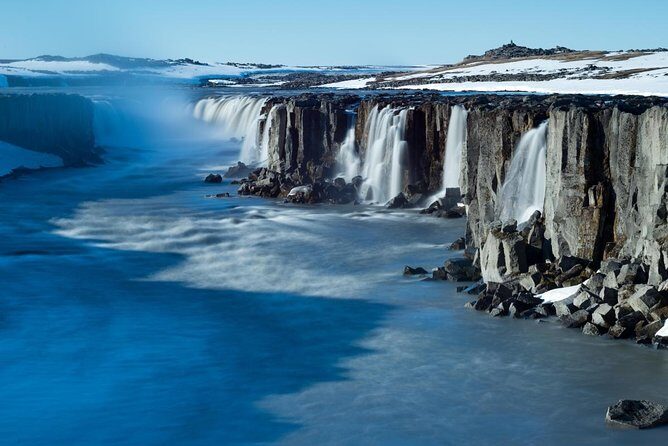
Day 8 spotlights Dettifoss, a massive waterfall that exposes columnar basalt. This is one of those geology moments where you can see volcanic structure like it’s been sorted into neat columns. It also gives a sense of power—both water power and the way volcanic rock forms in ways that later get revealed.
The timing here is important because you’re dealing with real outdoors exposure. Bring layers you can adjust quickly, because your body will swing between sun breaks and wind.
Northern Craters and Lava Fields: Hverfjall to Dimmuborgir
Day 9 is all about dramatic volcanic landforms and the “how did this form?” questions. Hverfjall is massive and impressive as an explosion crater, and it’s the kind of site where the shape itself becomes evidence.
At Skútustaðagígar, you learn about pseudo craters and their impact on Vikings. That adds a human layer to volcanic geology, which helps keep the day from turning into one long science lesson. Then Dimmuborgir Lava Formations closes the loop with a guided tour among features that have a debated origin. Debated origin is a good sign in geology—meaning the guides are teaching reasoning, not just memorization.
Akureyri Free Day: Let the Trip Breathe
Day 10 is a full free day in Akureyri, Iceland’s charming town. The tour frames it as time to rest and choose your own pace, with options like shopping, whale watching, or birding. This break matters because your brain needs a few hours that aren’t driven by “next stop, next geology fact.”
Even if you stay quiet, you’ll benefit. Iceland can be intense—wind, glare, and constant motion—so a breathing day helps you enjoy the final legs more.
Water Museum in Stykkishólmur: Glaciers Past and Present
Day 11 heads to Stykkishólmur and visits an art installation at the Water Museum that pays respect to glaciers, past and present. This is a different kind of learning stop, but it fits the tour’s theme. Geology is physical evidence; climate and water are how the planet keeps rewriting that evidence.
Art isn’t a distraction here. It’s a way to think about what the rocks are telling you in the context of change over time.
Snæfellsnes, Vatnshellir, and Snæfellsjökull: Lava Tubes to Stratovolcano Views
Day 12 is a great mix of outdoors and underground. You start with Snæfellsnes, hoping for clear skies to see this stratovolcano. Visibility can’t be forced, but when the weather cooperates, it makes the “Iceland is active and layered” idea feel very real.
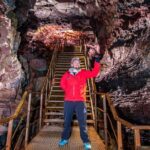
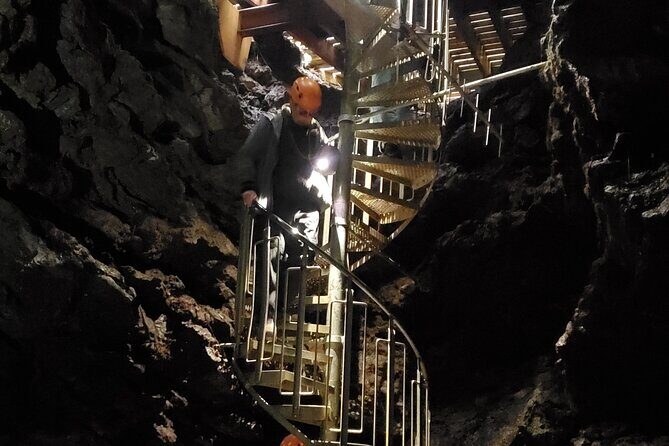
Next, you explore Vatnshellir Lava Cave, a lava tube where you’ll learn about how these form. Caves can be damp and cool, so wear shoes and outer layers you trust for slippery conditions. This stop is also a nice contrast to the open-air waterfall and glacier days—different geometry, same Iceland story.
You finish with Snæfellsjökull National Park & Glacier, another opportunity to connect terrain, ice, and volcanic structure.
Reykjavík Again: Final Walk Before Departure
On Day 13, you’re back in Reykjavík for final exploration before your departure. Ending where you started gives the trip a clean shape. If you used Day 1 for orientation, Day 13 is where you can revisit what you noticed first time around.
Price and Value: What Your Money Is Actually Buying
At $9,200 per person for a 13-day small-group tour, this isn’t a budget trip. You should expect high-end guiding and a tightly packed itinerary.
So why does it feel worth it, based on the tour details?
- Excursion fees are included in your price, which reduces the hidden costs that often make Iceland tours feel more expensive later.
- You’re getting guided visits at major sites, not just driving between them.
- The itinerary combines big-name stops with geology-specific field targets—craters, plate boundaries, lava structures—so you’re paying for interpretation as much as transportation.
- It’s designed to be more active than big-box competitors, with real walking and hands-on moments like the glacier hike and lava cave tour.
The main cost risk is that the trip is very weather-sensitive. Iceland can shift plans, and while the tour data says you’ll be offered a different date or a full refund if canceled due to poor weather, you’ll still want to keep realistic expectations about day-to-day conditions.
Who Should Book This, and Who Might Prefer Another Style
This tour is a strong fit if you want geology to be the main character. If you like the idea of learning how Iceland works—tectonics, volcanism, glaciers—this schedule gives you multiple angles on the same planet.
It’s also a good fit if you’re new to geology but like learning through experience. The tour explicitly notes that a geology background isn’t required, and the day structure suggests you’ll get constant help translating what you see.
Consider a different style if you hate active days, dislike early starts, or want lots of free time to roam at your own pace every day. This itinerary is structured and full by design.
Should You Book This 13-Day Iceland Geology Tour?
Book it if you want an Iceland trip where science becomes visible, not abstract. The combination of Dr. Jovanelly’s field expertise, Joey Cook’s guiding energy, and the focus on active geology stops is a rare pairing. You’ll come away with a much clearer mental map of where Iceland’s rocks and landforms come from.
If your travel style is slow, flexible, and low-effort, you might find the schedule demanding. But if you’re excited by volcanoes, ice, and plate tectonics—this one is built for you.
FAQ
Do I need a geology background to join?
No. The tour is designed so that a geology background is not necessary for you to participate. The guides explain what you’re seeing in a way that works for newcomers.
How big is the group?
The tour has a maximum of 16 travelers, which keeps the experience small-group and easier for questions during stops.
Where does the tour start, and what time does it begin?
It starts at Gistiheimilið, SunnaÞórsgata 26, 101 Reykjavík, Iceland, with a start time of 7:00 am. The tour ends back at the meeting point in Reykjavík.
Are any admissions or activities included in the price?
Yes. The tour lists several admission fees as included, including the Blue Lagoon and multiple geothermal, museum, hiking, and cave experiences later in the trip. The overall description also says excursion fees are included in the price.
What happens if poor weather cancels the tour?
The tour requires good weather. If it’s canceled due to poor weather, you’ll be offered a different date or a full refund.
Is a service animal allowed?
Yes, service animals are allowed.