
REVIEW · REYKJAVIK
Reykjavik: Whale Watching Excursion & Whale Exhibition
Book on GetYourGuide →Operated by Reykjavik Sailors · Bookable on GetYourGuide
Three and a half hours of Atlantic wonder.
This Reykjavik experience pairs a real whale watching sail from downtown with a very hands-on visit to the Whales of Iceland exhibition. I like that it’s built for day-to-day reality: warm gear, indoor cabins, and English-speaking guides while you’re out in the North Atlantic looking for minke, humpback, dolphins, and harbor porpoises.
My favorite part is the Whales of Iceland museum stop, where you can stand up close to famous whale giants using large-scale models and interactive learning stations. One thing to plan for: the ocean decides how smooth things feel, and sightings aren’t guaranteed—though the experience is designed to make that uncertainty manageable.
In This Review
- Key points worth knowing before you go
- Reykjavik’s whale watch starts fast at Geirsgata 11
- The 3-hour Faxaflói sail: what you’re really paying for
- What you can realistically hope to spot
- Warm gear and indoor cabins: how the boat handles Iceland weather
- My simple strategy for staying comfortable
- On-deck or inside? A practical way to manage motion
- If there are no sightings, the experience still has a safety net
- Whales of Iceland exhibition: where imagination turns into scale
- The highlights you can expect to see
- Interactive stations: learning that helps you spot whales better next time
- Lunch plans, drinks, and what to bring
- Don’t bring these
- Environmental choices: sometimes you share the boat
- Price and value: is $160 reasonable for this package?
- Who this tour is best for (and who should consider other plans)
- Simple tips to get the most from your day
- Should you book this Reykjavik whale watching and Whales of Iceland combo?
- FAQ
- How long is the Reykjavik whale watching and exhibition experience?
- Where does the tour start and where do you return?
- What time should I arrive?
- What’s included in the price?
- What whale and marine life can you see from Reykjavik?
- Is the Whales of Iceland ticket tied to the same day as the whale watching?
- What happens if the whale watching trip is canceled due to bad weather?
- What if there are no whale sightings during the tour?
- Are there restrictions on bringing pets or smoking?
Key points worth knowing before you go
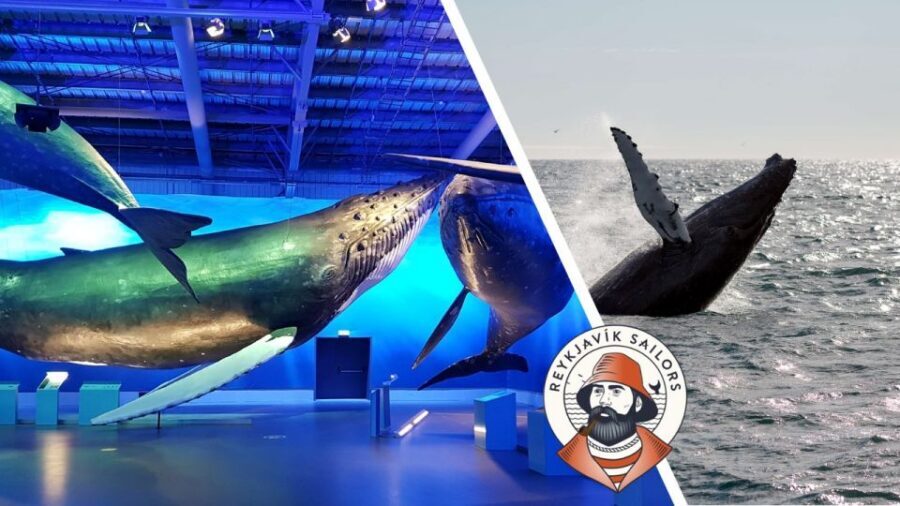
- Depart from Reykjavik’s Vesturbugt Harbor area for quick access to the whale grounds in Faxaflói
- Warm flotation overalls plus heated indoor cabins mean you stay functional even when it’s cold
- Free seasickness tablets and onboard help make it easier to handle Atlantic motion
- Whales of Iceland exhibition lets you get face-to-face with whale species through life-size displays
- Interactive stations connect Iceland’s whales to science, including tagged migration routes
- Weather can change the plan, so have a flexible mindset about sightings and sea conditions
Reykjavik’s whale watch starts fast at Geirsgata 11
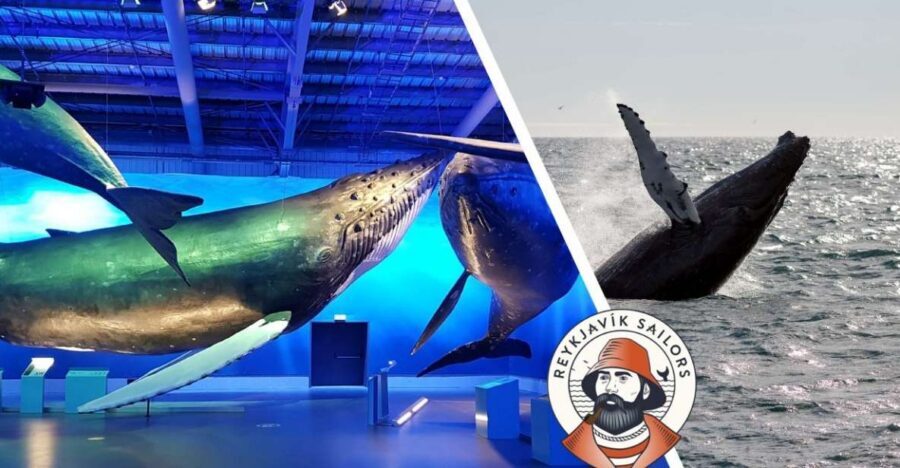
Your day begins at Geirsgata 11. Check in is at the Special Tours office on the corner, and I’d treat the 30-minute early arrival as part of the experience—not a chore. You’ll get sorted, dressed for the weather, and ready before the group heads toward the harbor.
From here, you’re set up for one of the best reasons to do whale watching in Reykjavik: it’s organized. Iceland’s tours have gotten good at running efficiently in changing conditions, and this one is clearly set up for that reality. You’re not spending half the day waiting around; you’re using the time you paid for on the water and at the exhibition.
You can also read our reviews of more museum experiences in Reykjavik



The 3-hour Faxaflói sail: what you’re really paying for
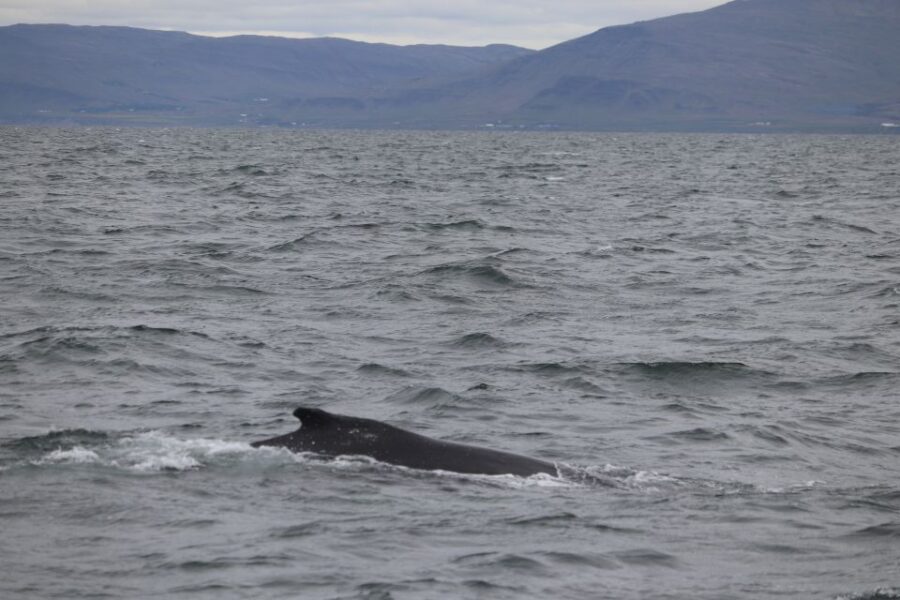
The main outing is a whale watching tour lasting about 3 hours, centered around Faxaflói and departing from the Vesturbugt Harbor area in downtown Reykjavik. The Atlantic scenery is part of the deal, and it matters because you’ll be scanning for movement while the coastline slides by.
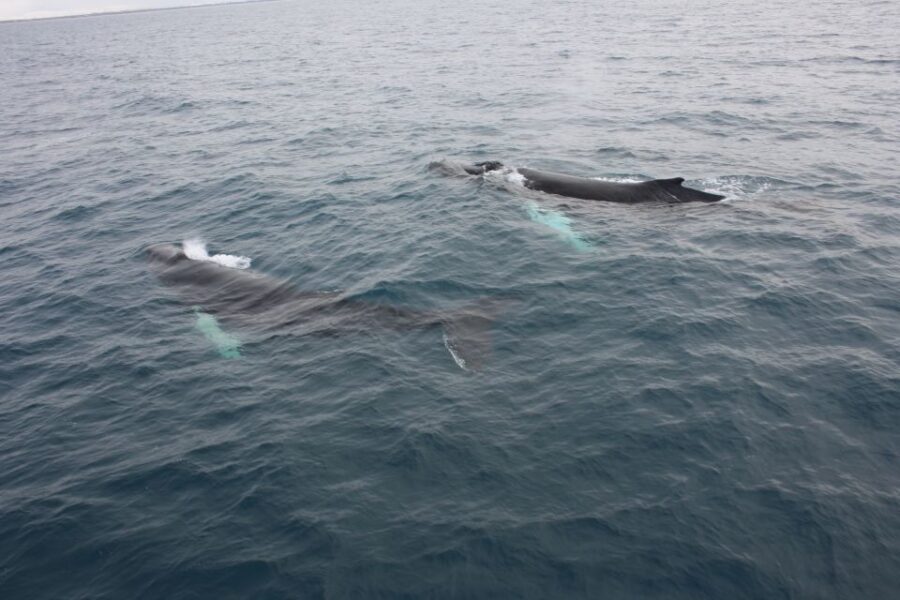
Your guides are there to help you interpret what you’re seeing. Whale watching is always a mix of patience and timing, but having someone watching with you—and explaining species differences—turns random sightings into real learning. Iceland’s waters are known for a variety of whales and related marine life, and your chances generally include minke and humpback whales, along with dolphins and harbor porpoises.
What you can realistically hope to spot
You’ll often hear the same set of “regulars” for this area, and it matches what’s listed for the region. Minke and humpback whales are among the most common targets, with dolphins and harbor porpoises also seen off the Reykjavik coast. In other words: you’re not booking this expecting guaranteed blue whale sightings every time—this is about seeing Atlantic wildlife in the places where it actually shows up.
Also, don’t ignore the dolphins and porpoises. When you get activity on the surface, it can happen quickly, and those smaller sightings often tell you something bigger is nearby.
Warm gear and indoor cabins: how the boat handles Iceland weather
The best whale watching boats in Reykjavik don’t just say you’ll be cold—they plan for it. This one provides warm flotation overalls, heated indoor cabins, and toilet facilities. That combination is a big deal for comfort and focus. When you’re warm, you don’t start thinking about leaving; you stay present and actually watch.
You’ll also have practical perks that make the trip easier than you might expect: free WiFi onboard and complimentary seasickness tablets are included. And yes, food and drink are available for purchase onboard, so you’re not stuck with a dry plan if you get hungry during the sail.
My simple strategy for staying comfortable
Dress in layers even if you get overalls. Keep an extra warm layer accessible, especially if you’re the kind of person who tends to feel cold once you stop moving. And if the sea feels rough, plan to alternate between watching from deck and ducking inside to reset your body.
You can also read our reviews of more whale watching tours in Reykjavik






On-deck or inside? A practical way to manage motion
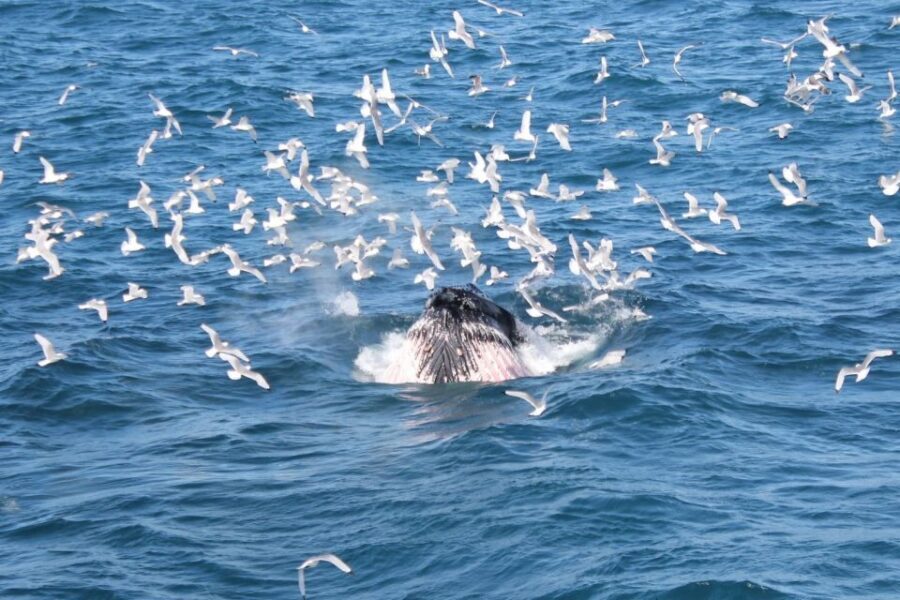
The ocean can be choppy in the Atlantic, and that affects your day more than you might think. One practical tip that helps many people: spend time on deck for the best sightlines, but don’t stubbornly “power through” if you start to feel off. Step inside before you feel miserable, then return outside when you can focus again.
Because you have heated cabins, it’s a lot easier to do that back-and-forth without turning the day into a suffering contest. And the inclusion of seasickness tablets is there for a reason—use them if you’re prone to motion sickness.
If there are no sightings, the experience still has a safety net
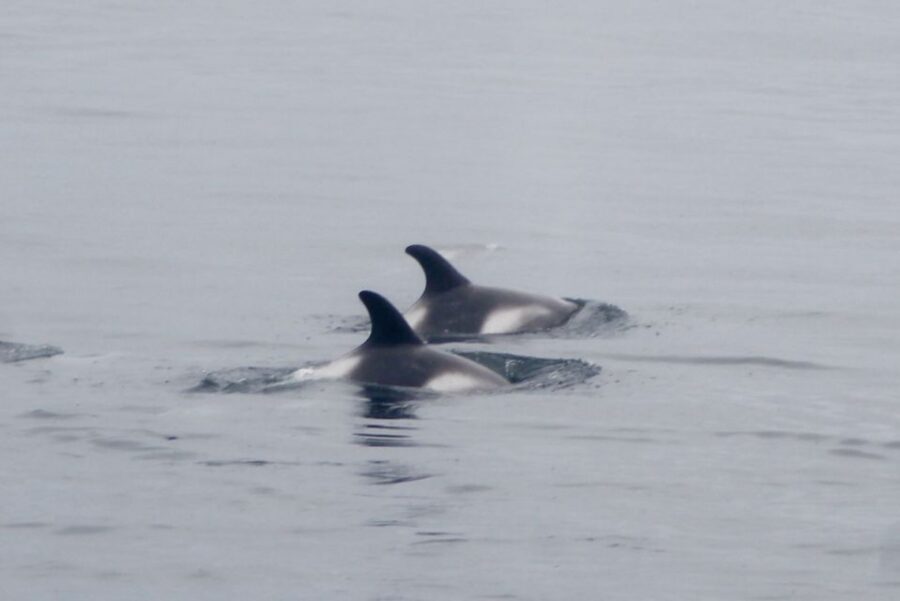
Whale watching is subject to weather and wildlife behavior, so there’s always a “what if” question. This tour includes a way to handle it: if there are no sightings during your trip, you can go again using the free ticket to rejoin.
You also get a key benefit from the way the museum ticket works. The museum entry is open, meaning you can choose when you visit the Whales of Iceland exhibition. It doesn’t have to be on the same day as your sail, so if the sea is rough or timing is tight, you don’t have to lose the entire learning part of your day.
One small caution: if your whale watching portion gets canceled due to bad weather, the refund applies only to the whale watching part, not the full ticket. Still, it’s good that you’re not left with nothing—just understand how the refund is handled.
Whales of Iceland exhibition: where imagination turns into scale
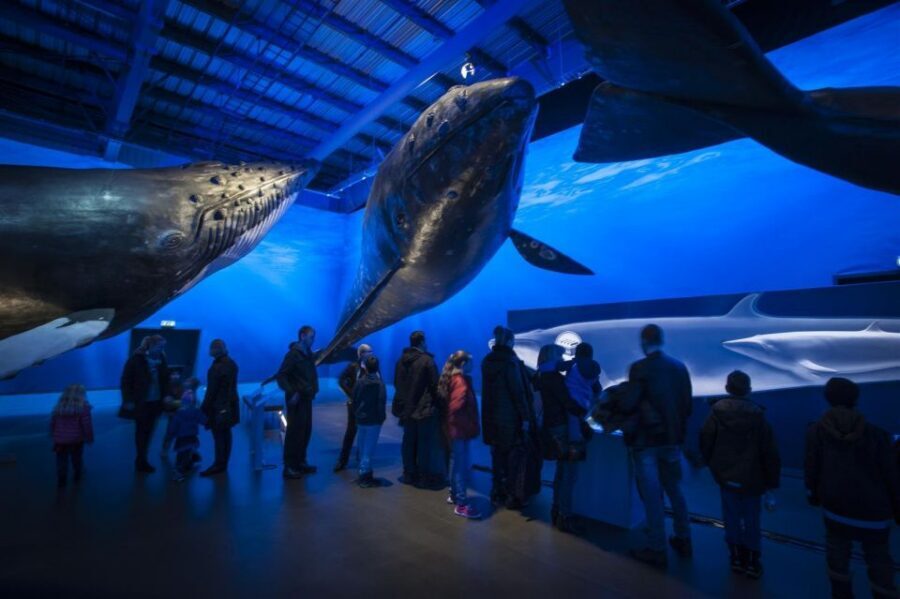
After the sail, you’ll visit the Whales of Iceland exhibition for about 1 hour. This is the other reason the experience is worth it, because it makes your whale watching day feel bigger than one boat trip.
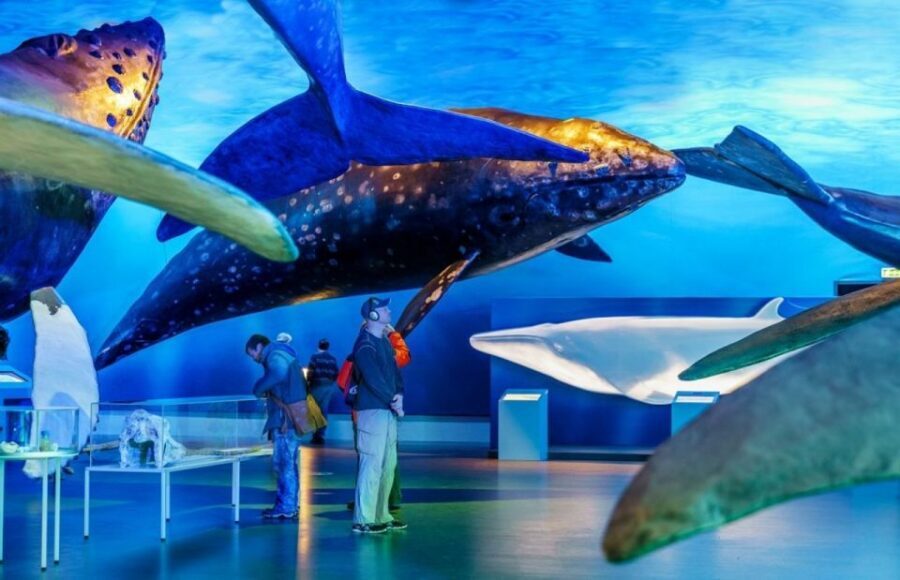
This exhibition is described as the largest of its kind in Europe, and it shows in the focus on getting you face-to-face with iconic whale species found in Icelandic waters through the ages. You can see man-made models up close and get a sense of scale without needing a lifelong research budget.
The highlights you can expect to see
You can expect major displays and learning moments built around real whale species and their behavior. The list includes a 25-meter-long blue whale, a full-size sperm whale modeled like the famous one from Moby Dick, and the critically endangered North Atlantic right whale, among others.
What makes this part particularly valuable is the combination of scale and interaction. You’re not just reading labels. You can listen to whale singing, look into the eyes of whale-focused displays, and use interactive stations tied to scientific data.
Interactive stations: learning that helps you spot whales better next time
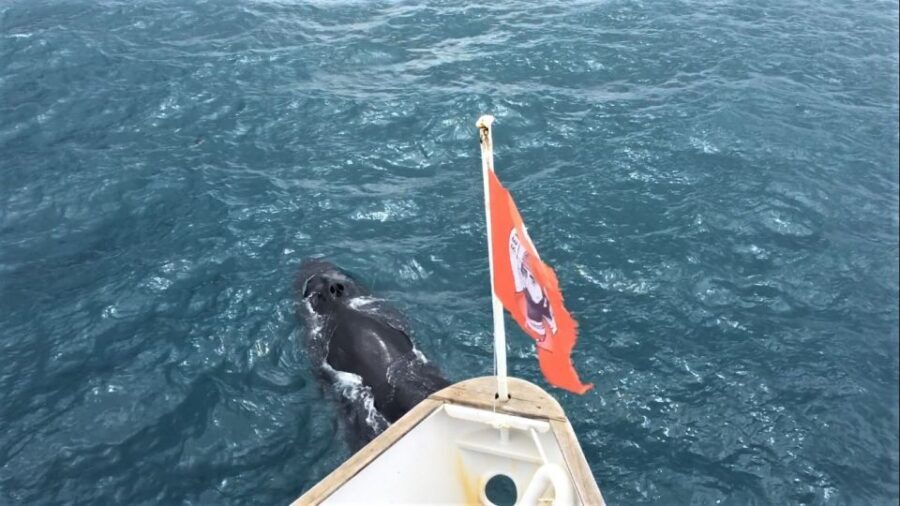
The exhibition’s interactive areas aren’t just “kid-friendly distractions.” They’re meant to connect what you learn on land with what you’re trying to observe on the water. For example, you can learn about the biology of the minke whale, and you can follow migration routes of whales that have been tagged and monitored by satellite.
This matters because it changes the way you look for whales. Instead of scanning only for the biggest splash, you start noticing what kinds of movement you might expect from different species, and you understand why certain sightings are more likely at certain times.
Even if your whale watching sail is quiet, you’ll leave with a stronger mental map of Iceland’s marine world.
Lunch plans, drinks, and what to bring

Food and drink aren’t included, but you can purchase them onboard. That’s a good setup if you’re the type who wants a hot drink while you’re out watching the coast and waiting for wildlife.
What you should bring is simple: weather-appropriate clothing. Even with overalls and heated cabins, you’ll be moving between deck and indoor spaces, and Iceland weather can shift fast.
Don’t bring these
Pets aren’t allowed, and smoking isn’t allowed. Plan accordingly if you’re traveling with family or anyone who needs adjustments for mobility or personal care—keep everything within the rules so your day stays smooth.
Environmental choices: sometimes you share the boat
You should know that trips may use a shared boat with another activity partner during certain times of the year for environmental reasons. The tour description also notes efforts to keep the water pristine by reducing the number of boats on the water.
For you, that means two things: you might share space with another group, and that’s part of the sustainability approach rather than a “crowding for profit” strategy. Either way, the core value is still the same—getting out into the area where sightings can happen.
Price and value: is $160 reasonable for this package?
At $160 per person, this isn’t a cheap add-on, so you need to think about what you’re buying.
You’re paying for three value pieces:
- A guided 3-hour whale watching tour on the North Atlantic with warm overalls, indoor heat, and practical comfort features
- A 1-hour museum visit with large-scale whale models and interactive learning stations
- A fallback plan if wildlife doesn’t cooperate, plus the option to revisit via the open museum ticket structure
Compared to doing “just a boat ride,” the exhibition is a strong buffer against disappointment. If you only sailed and saw little, your day could feel thin. Here, you still get an education and face-to-face scale experience tied directly to Iceland’s whale life.
Is it a gamble? Yes, whale watching is weather- and animal-dependent. But the tour’s inclusions reduce the “wasted money” feeling because comfort is handled and there’s an option to rejoin if there are no sightings.
Who this tour is best for (and who should consider other plans)
This fits families and couples well because it blends two modes: outdoor wildlife watching and indoor, interactive whale learning. Adults who care about marine biology will also like the satellite tagging and migration-route components, because it gives context beyond basic spotting.
If you hate boats or get seasick easily, you’ll still want to think carefully. The seasickness tablets and heated cabins help, but the ocean is the ocean. If rough water would ruin your comfort, you might decide to focus on museum time first and leave whale watching as an optional bet.
For first-time Reykjavik visitors, it’s also an easy “one-day story” to anchor your trip. You get both the iconic outside experience and the factual indoors experience.
Simple tips to get the most from your day
Here’s how I’d set yourself up for a smoother, more rewarding whale watching experience in Reykjavik:
- Arrive early at Geirsgata 11 so you’re not rushing in cold weather
- Keep a layered outfit under the provided overalls so you can adjust on deck
- If motion hits you, use indoor cabins as a reset, then head back out to watch
- Bring a phone or camera, but remember you’ll likely want your attention on spotting rather than fussing with settings
- Treat the exhibition as part of the learning loop: you’ll get more out of it when you connect it to what you were watching offshore
Should you book this Reykjavik whale watching and Whales of Iceland combo?
You should book if you want a practical, guided day that combines a real Reykjavik whale watching sail with a museum that’s built for scale and science. The comfort setup (warm overalls, heated cabins, seasickness support) makes it more doable than many purely outdoors options.
You might skip it or adjust expectations if you’re extremely sensitive to boat motion or if you’re only interested in one specific whale species. This experience is about Iceland’s marine life where it shows up, not a scripted wildlife guarantee.
If you want one ticket that covers both the thrill of the Atlantic and the satisfaction of learning, this is a strong pick.
FAQ
How long is the Reykjavik whale watching and exhibition experience?
The total duration is about 3.5 hours, with 3 hours for whale watching and about 1 hour for the Whales of Iceland exhibition.
Where does the tour start and where do you return?
You start at Geirsgata 11. You also arrive back at Geirsgata 11 at the end of the experience.
What time should I arrive?
Check-in starts at the Special Tours office corner at Geirsgata 11. You should arrive 30 minutes early.
What’s included in the price?
The included items are the whale watching tour, entry to the Whales of Iceland exhibition, guides, warm flotation overalls, free WiFi onboard, heated indoor cabins with toilet facilities, and complimentary seasickness tablets. Food and drink are not included.
What whale and marine life can you see from Reykjavik?
Common sightings off the Reykjavik coast include minke and humpback whales, dolphins, and harbor porpoises.
Is the Whales of Iceland ticket tied to the same day as the whale watching?
No. The museum ticket is open, so you can choose when you want to go, even if it is not the same day as your scheduled whale watching.
What happens if the whale watching trip is canceled due to bad weather?
If the whale watching part is canceled due to bad weather, the whale watching portion of the ticket is refunded. The full ticket price is not refunded—only the whale watching part.
What if there are no whale sightings during the tour?
If there are no sightings, you can use the included free ticket to go again.
Are there restrictions on bringing pets or smoking?
Pets are not allowed, and smoking is not allowed.